

Bald Faced Hornets

Bats
Bed Bugs

Boxelder Bugs
Carpenter Ants

Carpenter Bee

Carpet Beetles

Centipedes
Earwigs

Fleas
Flies
German Roaches

Grain Beetles
Japanese Beetles

Midge/May Flies

Mosquitoes
Moths
Mud Daubers

Oriental Cockroaches

Paper Wasps

Pavement Ants
Pharaoh Ants
Pigeons

Pill Bugs
Racoons
Rodents
Silverfish
Spiders

Termites

Ticks

Yellow Jackets
Wolf Spiders
Bald Faced Hornets
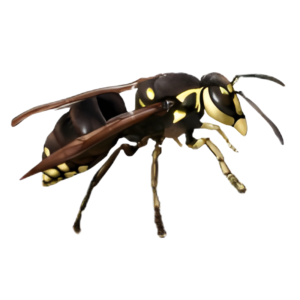
Not true hornets but large, black-and-white social wasps. They build basketball-sized paper nests high in trees or on structures. They are extremely protective of their colony and will chase intruders.
Hatch:
5–10 days. Queen starts colony in Spring; population peaks in late Summer. High-risk stings; they inject a large amount of venom. Can cause severe allergic reactions and multiple stings. Large, grey, teardrop-shaped paper nests. Liquid waste is usually not visible.
Hatch:
5–10 days. Queen starts colony in Spring; population peaks in late Summer. High-risk stings; they inject a large amount of venom. Can cause severe allergic reactions and multiple stings. Large, grey, teardrop-shaped paper nests. Liquid waste is usually not visible.
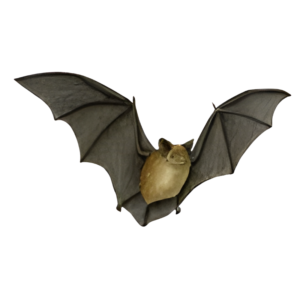
Bats
The only flying mammals. They are beneficial for insect control but become a problem when they roost in human attics or chimneys.
Hatch (Gestation): 6–9 weeks. Mothers give birth to a single "pup" in Summer.
Guano (droppings): buildup causes the fungus Histoplasma to grow, causing lung disease. Guano: Shiny, dark, crumbly pellets. Unlike rodent droppings, they contain insect wings.
Hatch (Gestation): 6–9 weeks. Mothers give birth to a single "pup" in Summer.
Guano (droppings): buildup causes the fungus Histoplasma to grow, causing lung disease. Guano: Shiny, dark, crumbly pellets. Unlike rodent droppings, they contain insect wings.
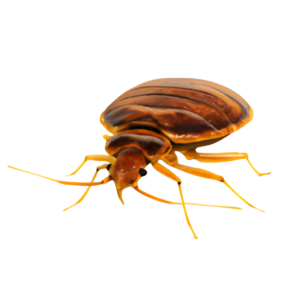
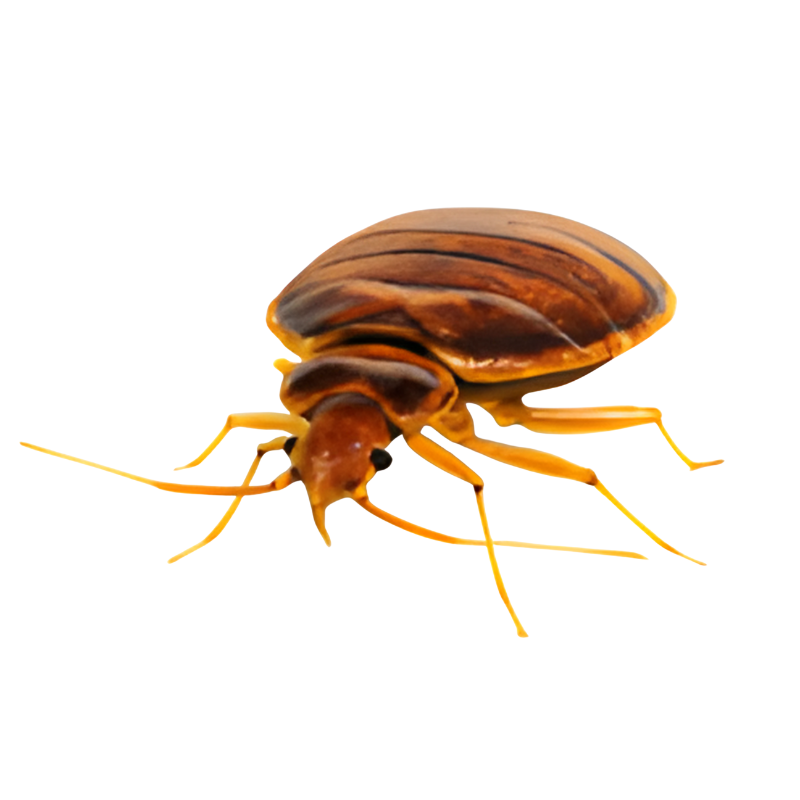
Bed Bugs
Small, flat, wingless insects that hide in cracks near where humans sleep. They are hitchhikers, moving from hotels to homes via luggage or used furniture.
Hatch: 6–10 days. A single female lays 500 eggs in her life; breed year-round. Itchy, red welts often in a line; significant psychological distress, anxiety, and insomnia.
"Inking"—tiny black dots (digested blood) on mattress seams, sheets, or headboards.
Hatch: 6–10 days. A single female lays 500 eggs in her life; breed year-round. Itchy, red welts often in a line; significant psychological distress, anxiety, and insomnia.
"Inking"—tiny black dots (digested blood) on mattress seams, sheets, or headboards.
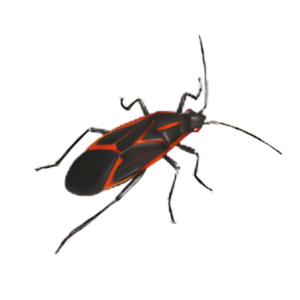
Boxelder Bugs
Black insects with red markings. They congregate in massive numbers on the sunny side of buildings in the fall as they look for a place to hibernate.
Hatch: 10–14 days. They breed on female Boxelder trees in Spring. Mostly a nuisance, but their liquid excrement can permanently stain walls, rugs, and curtains. Reddish-brown liquid spots that look like tiny blood splatters on fabric.
Hatch: 10–14 days. They breed on female Boxelder trees in Spring. Mostly a nuisance, but their liquid excrement can permanently stain walls, rugs, and curtains. Reddish-brown liquid spots that look like tiny blood splatters on fabric.

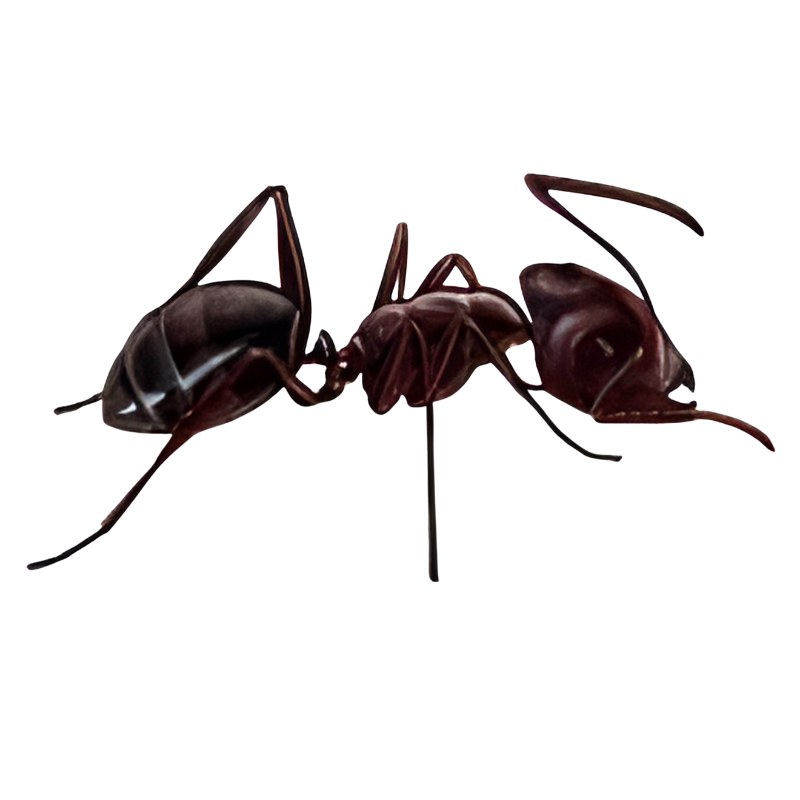
Carpenter Ants
Large black or red ants that nest in wood. Unlike termites, they don't eat wood; they chew it out to create clean "galleries" for their young.
Hatch: 3–4 weeks. Most active from Spring through late Summer. Structural weakening of moist wood (decks, windowsills, roof lines).
Frass: Coarse sawdust containing insect parts (legs/wings) kicked out of "kick-out" holes.
Hatch: 3–4 weeks. Most active from Spring through late Summer. Structural weakening of moist wood (decks, windowsills, roof lines).
Frass: Coarse sawdust containing insect parts (legs/wings) kicked out of "kick-out" holes.
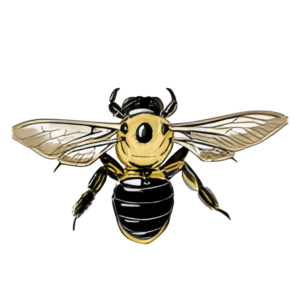
Carpenter Bee
Large bees that look like bumblebees but have a shiny, hairless abdomen. Females drill perfect 1/2-inch holes into softwoods (cedar, pine, redwood).
Hatch: 2–3 weeks. Emerge in late Spring; larvae develop in holes over Summer. Cosmetic damage and wood rot; male bees can be aggressive but have no stinger. Yellow/brown liquid fecal streaks on siding directly beneath the entrance hole.
Hatch: 2–3 weeks. Emerge in late Spring; larvae develop in holes over Summer. Cosmetic damage and wood rot; male bees can be aggressive but have no stinger. Yellow/brown liquid fecal streaks on siding directly beneath the entrance hole.
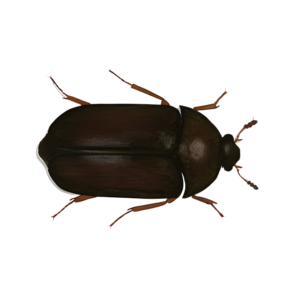
Carpet Beetles
Small, round beetles with patterned shells. The larvae (known as "woolly bears") are covered in irritating hairs and do the actual damage.
Hatch: 7–20 days. Adults emerge in Spring and fly toward windows/light. Larvae eat natural fibers: wool rugs, silk, feathers, and leather. Can cause skin rashes. Tiny, hard pellets found alongside translucent "shed skins" of the larvae.
Hatch: 7–20 days. Adults emerge in Spring and fly toward windows/light. Larvae eat natural fibers: wool rugs, silk, feathers, and leather. Can cause skin rashes. Tiny, hard pellets found alongside translucent "shed skins" of the larvae.

Centipedes
Fast, leggy predators with "forcipules" (poison claws) behind the head. The House Centipede is common in damp basements and bathrooms.
Hatch: Several weeks. Can live for years, unlike most insects. While intimidating, they are beneficial because they eat roaches and silverfish. Bites are rare. Tiny, dark, vertical streak marks on walls.
Hatch: Several weeks. Can live for years, unlike most insects. While intimidating, they are beneficial because they eat roaches and silverfish. Bites are rare. Tiny, dark, vertical streak marks on walls.
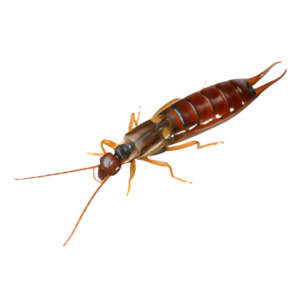
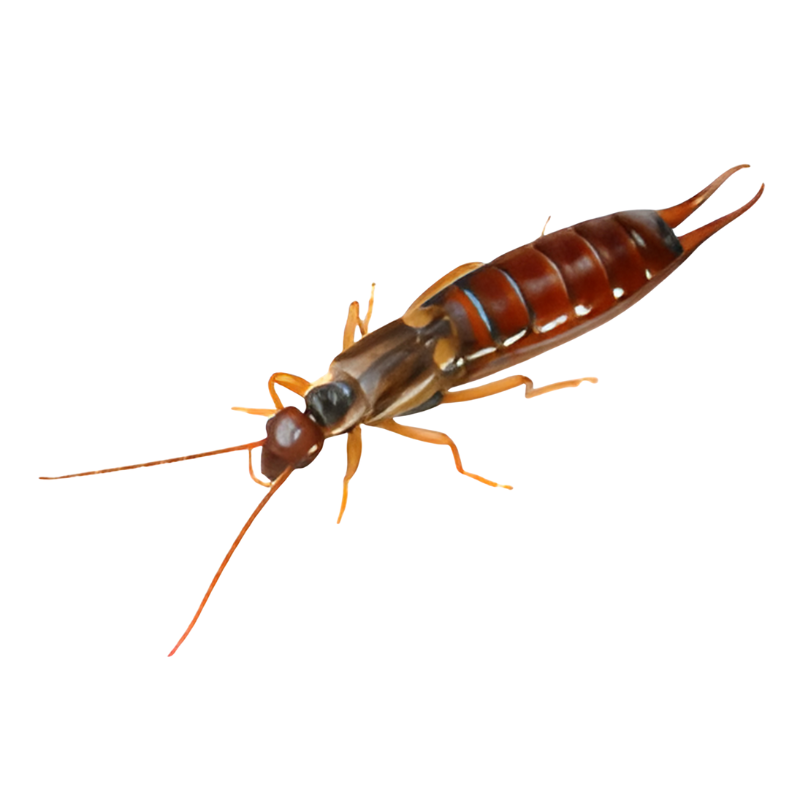
Earwigs
Easily identified by the "pincers" (cerci) on their abdomen. They hide in cool, moist crevices during the day and are active at night.
Hatch: 7 days. Mothers actually guard the eggs, which is rare for insects. Can nibble on garden seedlings and soft fruits; their presence indoors is a nuisance. Small, dark, cylindrical pellets (smaller than a grain of rice).
Hatch: 7 days. Mothers actually guard the eggs, which is rare for insects. Can nibble on garden seedlings and soft fruits; their presence indoors is a nuisance. Small, dark, cylindrical pellets (smaller than a grain of rice).
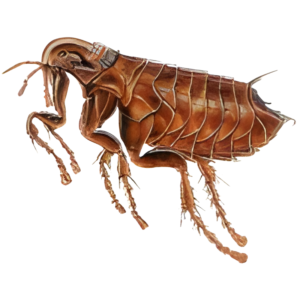
Fleas
Tiny, jumping parasites that live in the fur of mammals. They can jump up to 7 inches vertically to find a host. Their eggs are not sticky and often fall into carpet.
Hatch: 2–12 days. Flourish in humid weather (above 70% humidity). Vectors for Tapeworms and Bubonic Plague; cause "Flea Bite Dermatitis" (intense itching). "Flea Dirt"—black specks that turn red/rusty when dabbed with a wet paper towel.
Hatch: 2–12 days. Flourish in humid weather (above 70% humidity). Vectors for Tapeworms and Bubonic Plague; cause "Flea Bite Dermatitis" (intense itching). "Flea Dirt"—black specks that turn red/rusty when dabbed with a wet paper towel.
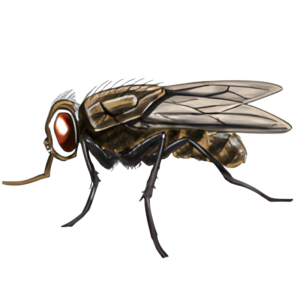
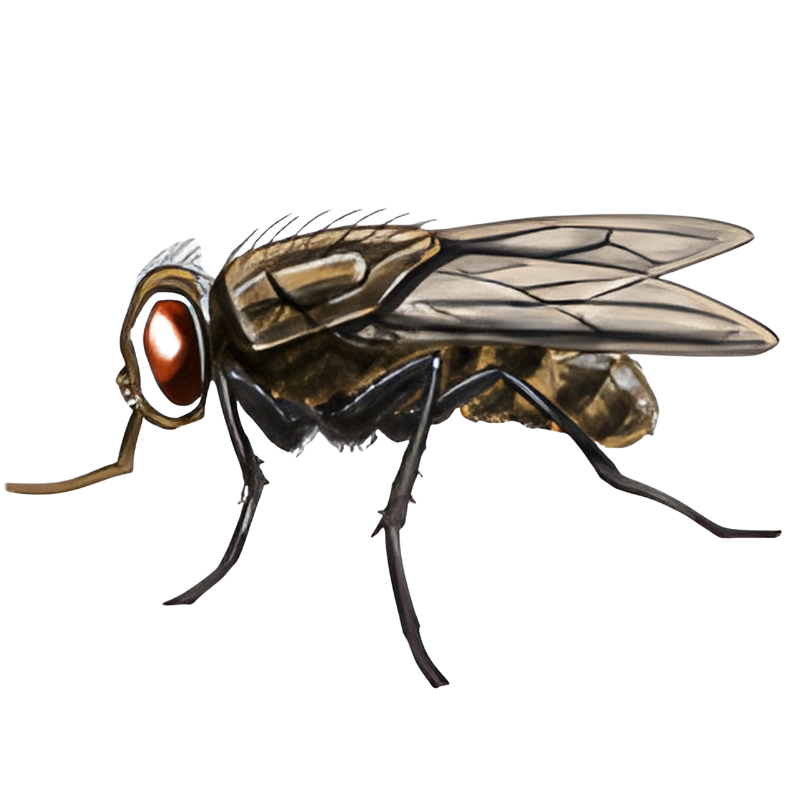
Flies
Common pests that feed on garbage and animal waste. They use "sponge-like" mouthparts to liquefy food before eating it, often regurgitating on surfaces.
Hatch: 8–20 hours. Extremely fast lifecycle; dozens of generations per year. Spread over 100 pathogens including Cholera, E. coli, and Dysentery. Major food contamination risk. "Fly specks"—tiny, dark, circular vomit and fecal spots on light fixtures and ceilings.
Hatch: 8–20 hours. Extremely fast lifecycle; dozens of generations per year. Spread over 100 pathogens including Cholera, E. coli, and Dysentery. Major food contamination risk. "Fly specks"—tiny, dark, circular vomit and fecal spots on light fixtures and ceilings.
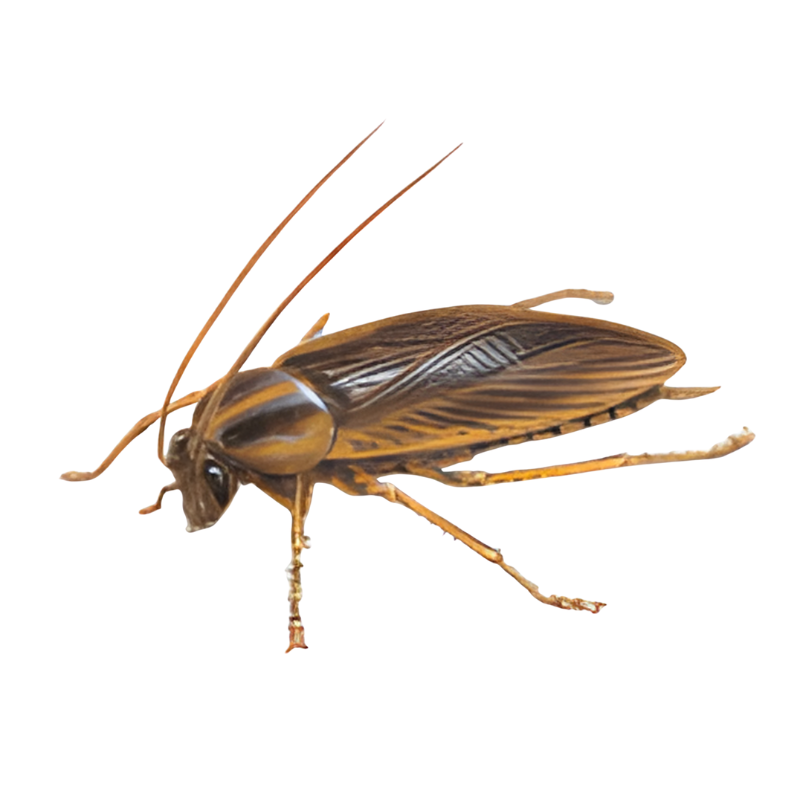
German Roaches
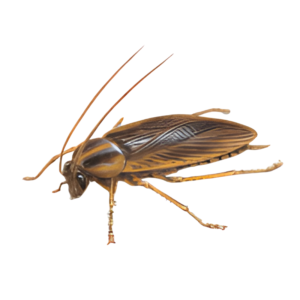
The most common indoor cockroach. They prefer warm, humid areas like kitchens and bathrooms. They are nocturnal and hide in tiny crevices during the day.
Hatch: 28 days. A single female and her offspring can produce 30,000 roaches in a year. Spread Salmonella and E. coli; their shed skins are a primary cause of urban childhood asthma. Dark specks that look like black pepper or coffee grounds, often in cabinet corners.
Hatch: 28 days. A single female and her offspring can produce 30,000 roaches in a year. Spread Salmonella and E. coli; their shed skins are a primary cause of urban childhood asthma. Dark specks that look like black pepper or coffee grounds, often in cabinet corners.
Grain Beetles
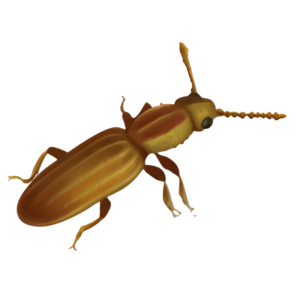
Tiny, flat beetles (like the Saw-toothed Grain Beetle) that can crawl into sealed food packages. They are often brought home in infested grocery items.
Hatch: 3–5 days. Rapid breeding allows them to take over a pantry in weeks. Contaminate flour, oats, dried fruit, and pet food with larvae and waste. Microscopic droppings; food may look "clumped" or dusty.
Hatch: 3–5 days. Rapid breeding allows them to take over a pantry in weeks. Contaminate flour, oats, dried fruit, and pet food with larvae and waste. Microscopic droppings; food may look "clumped" or dusty.

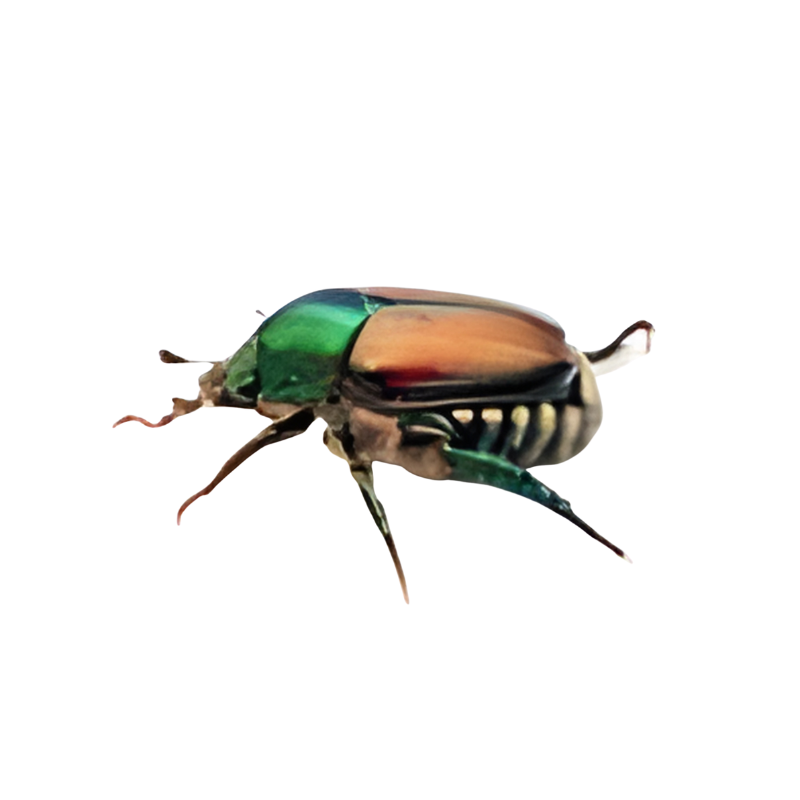
Japanese Beetles
Metallic green invasive beetles. Adults feed on foliage during the day, while their larvae (grubs) live underground and eat grass roots.
Hatch: 10–14 days. Adults emerge in June/July; eggs laid in soil in August. Adults skeletonize ornamental plants/roses; grubs create large brown dead patches in lawns. Small, dark green or black moist pellets found on the surfaces of chewed leaves.
Hatch: 10–14 days. Adults emerge in June/July; eggs laid in soil in August. Adults skeletonize ornamental plants/roses; grubs create large brown dead patches in lawns. Small, dark green or black moist pellets found on the surfaces of chewed leaves.
Midge/May Flies
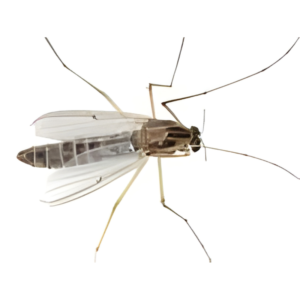
Aquatic insects that emerge from lakes in massive swarms. Mayflies live only 24–48 hours as adults, while Midges can live longer. They do not have functional mouthparts as adults.
Hatch: Varies by water temp; usually a few days. Massive "hatches" occur in Spring/Summer. Not a health threat, but swarms are thick enough to clog car radiators and make roads slippery. No droppings; they leave behind piles of dead, fishy-smelling carcasses.
Hatch: Varies by water temp; usually a few days. Massive "hatches" occur in Spring/Summer. Not a health threat, but swarms are thick enough to clog car radiators and make roads slippery. No droppings; they leave behind piles of dead, fishy-smelling carcasses.
Mosquitoes
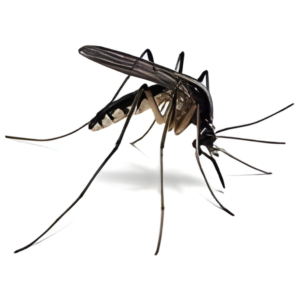
Small, delicate-looking flies that require stagnant water for their life cycle. Only females bite, as they need protein from blood to produce eggs.
Hatch: 24–48 hours. Can go from egg to adult in 8–10 days in warm weather. Global vector for West Nile, Zika, Malaria, and Heartworm (in pets). Persistent itching and skin irritation Look for "wriggler" larvae swimming in birdbaths, gutters, or old tires.
Hatch: 24–48 hours. Can go from egg to adult in 8–10 days in warm weather. Global vector for West Nile, Zika, Malaria, and Heartworm (in pets). Persistent itching and skin irritation Look for "wriggler" larvae swimming in birdbaths, gutters, or old tires.
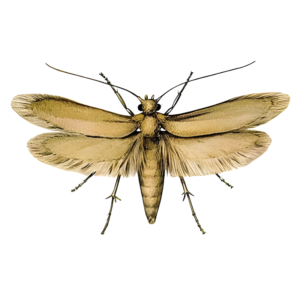
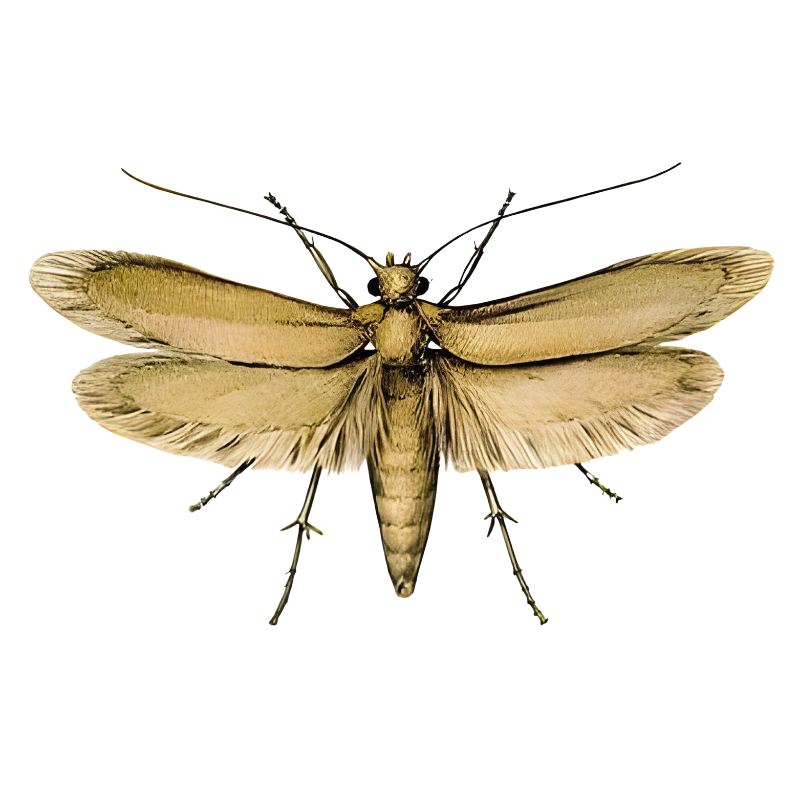
Moths
Pantry moths (Indian Meal) live in dry goods; Clothes moths live in dark closets. The adults do not eat; only the larvae cause damage by chewing through materials.
Hatch: 4–10 days. Breeding occurs year-round in temperature-controlled homes. Ruin silk/wool clothing and contaminate food supplies with silk webbing and larvae. Fine, sand-like frass and "silk trails" in flour bags or on the collars of wool coats.
Hatch: 4–10 days. Breeding occurs year-round in temperature-controlled homes. Ruin silk/wool clothing and contaminate food supplies with silk webbing and larvae. Fine, sand-like frass and "silk trails" in flour bags or on the collars of wool coats.
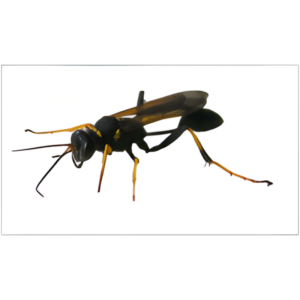
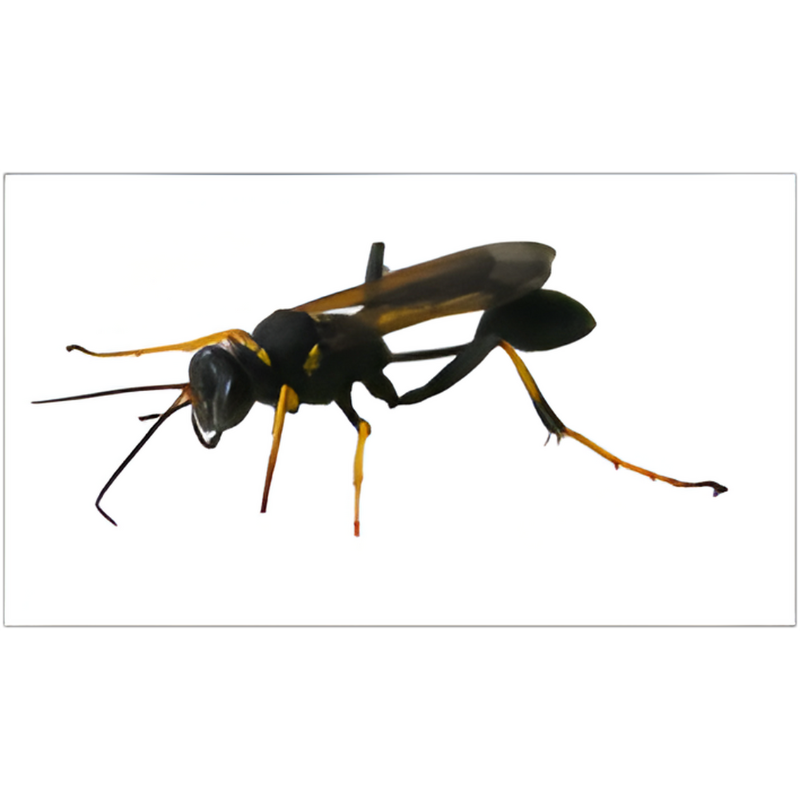
Mud Daubers
Solitary wasps known for building finger-like tubes out of mud. They hunt spiders to paralyze and place inside the tubes for their larvae to eat. They are generally non-aggressive.
Hatch: 2 days. Active during the hottest months of Summer. Cosmetic damage to brick/stucco; their mud nests can clog vent pipes or machinery. Mud tubes on porch ceilings or walls. No significant fecal signs.
Hatch: 2 days. Active during the hottest months of Summer. Cosmetic damage to brick/stucco; their mud nests can clog vent pipes or machinery. Mud tubes on porch ceilings or walls. No significant fecal signs.
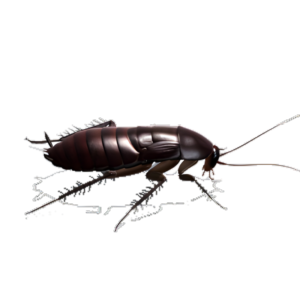
Oriental Cockroaches
Also known as "water bugs," they are dark, shiny, and slow-moving. They typically live in damp basements, sewers, and mulch beds.
Hatch: 60 days. They prefer cooler temperatures than German roaches. Carry filth-borne bacteria from sewers into living spaces; produce a foul, musty odor. Black smear marks in damp corners or small, dark, capsule-shaped droppings.
Hatch: 60 days. They prefer cooler temperatures than German roaches. Carry filth-borne bacteria from sewers into living spaces; produce a foul, musty odor. Black smear marks in damp corners or small, dark, capsule-shaped droppings.

Paper Wasps
Slender wasps with long legs that hang down during flight. They build open-cell "umbrella" nests often under eaves, door frames, or birdhouses. They are less aggressive than hornets but very common.
Hatch: 10–12 days. New queens emerge in Spring to build nests; colonies die off in Winter. Painful stings; high risk for those working on ladders or painting eaves. Small dark "splats" on the siding or ground directly underneath the nest.
Hatch: 10–12 days. New queens emerge in Spring to build nests; colonies die off in Winter. Painful stings; high risk for those working on ladders or painting eaves. Small dark "splats" on the siding or ground directly underneath the nest.
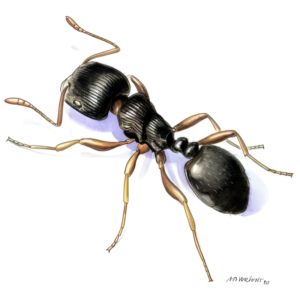
Pavement Ants
Small brown/black ants that build "volcano" nests in sidewalk cracks. They are common foragers in kitchens, seeking both proteins and sugars.
Hatch: 10–28 days. Populations peak in mid-Summer. Contaminate food surfaces. They are persistent and difficult to exclude from older homes. Piles of fine sand or grit pushed out of floor cracks or baseboards.
Hatch: 10–28 days. Populations peak in mid-Summer. Contaminate food surfaces. They are persistent and difficult to exclude from older homes. Piles of fine sand or grit pushed out of floor cracks or baseboards.
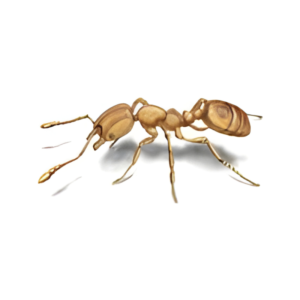
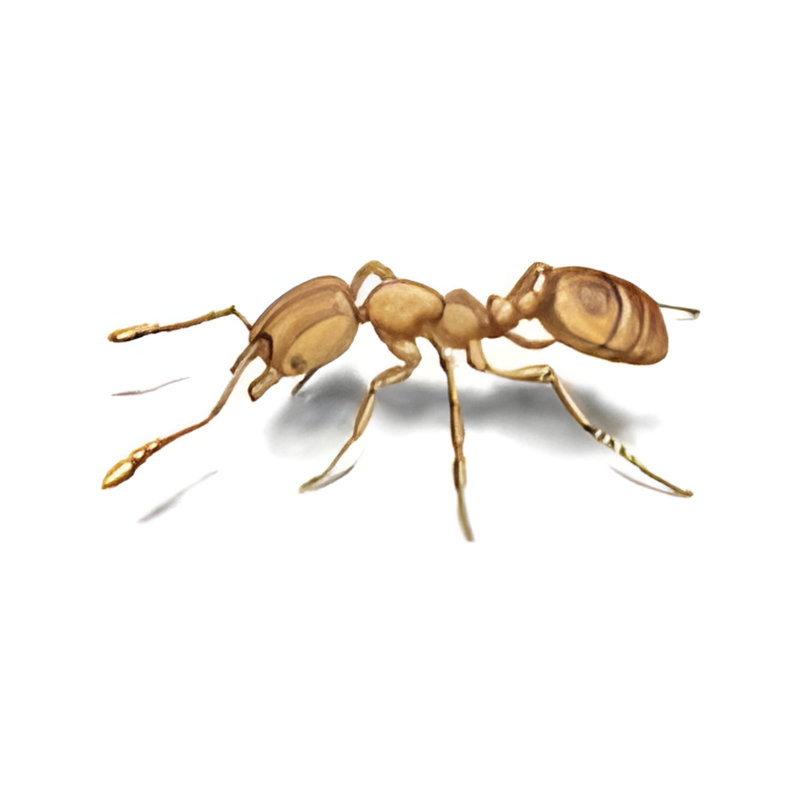
Pharaoh Ants
Tiny, translucent yellow ants. They are notorious for "budding," where the colony splits into multiple new colonies if they feel threatened by pesticides.
Hatch: 5–7 days. Breed year-round in heated buildings. Dangerous in hospitals/clinics; they can carry germs into surgical wounds and IV lines. None visible; identified by their tiny size and "trails" along baseboards.
Hatch: 5–7 days. Breed year-round in heated buildings. Dangerous in hospitals/clinics; they can carry germs into surgical wounds and IV lines. None visible; identified by their tiny size and "trails" along baseboards.

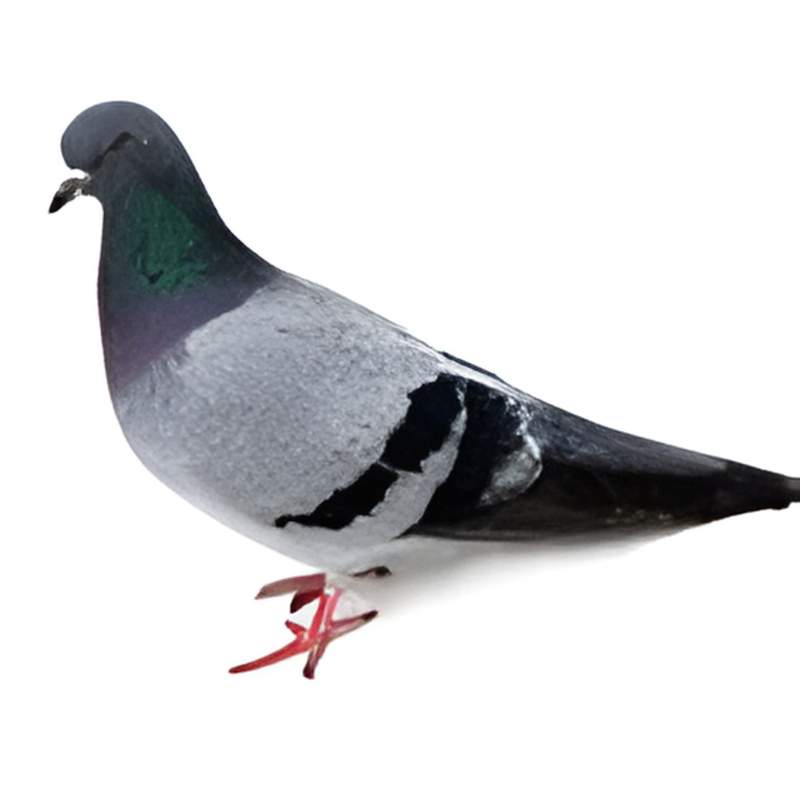
Pigeons
"Feral" birds that thrive in urban environments. They congregate on ledges, roofs, and under bridges. They are extremely difficult to deter once nested.
Hatch: 17–19 days. Breed year-round in many climates. Their droppings are highly acidic and eat through stone and metal. Carry mites and fungus. Large, white/grey liquid patches that harden into a crust.
Hatch: 17–19 days. Breed year-round in many climates. Their droppings are highly acidic and eat through stone and metal. Carry mites and fungus. Large, white/grey liquid patches that harden into a crust.

Pill Bugs
Also called "Sowbugs" or "Roly-polies," these are actually land-dwelling crustaceans. They breathe through gills and must stay in moist environments.
Hatch: 3–4 weeks. Carried in a "brood pouch" by the mother. Completely harmless. They are nature’s recyclers, eating decaying organic matter. Very small, square-shaped brown pellets.
Hatch: 3–4 weeks. Carried in a "brood pouch" by the mother. Completely harmless. They are nature’s recyclers, eating decaying organic matter. Very small, square-shaped brown pellets.

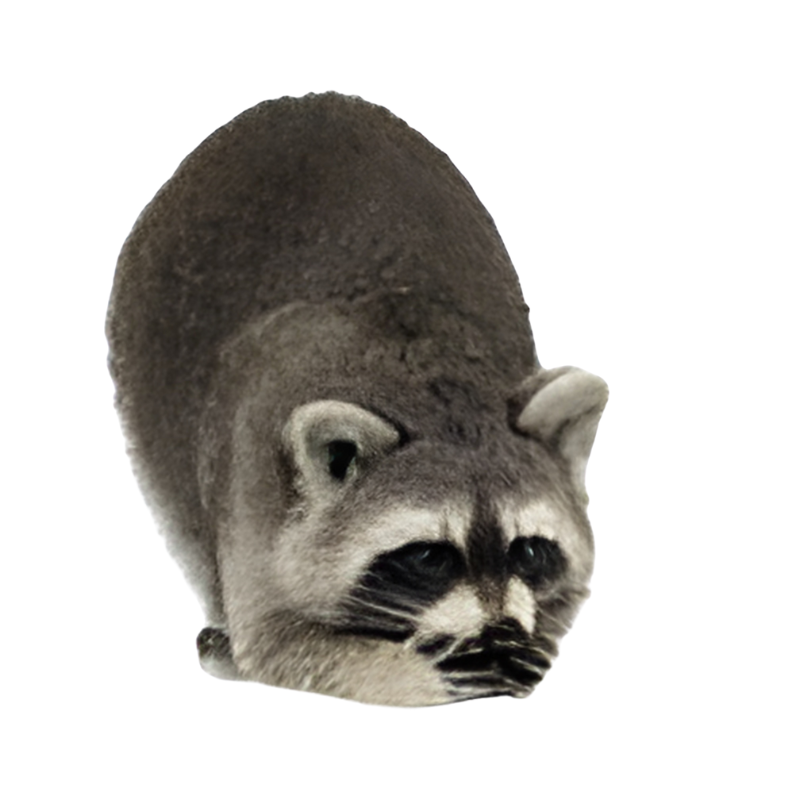
Racoons
Masked mammals with "hands" that can open latches and trash cans. They are very strong and can tear through shingles to enter an attic.
Hatch (Gestation): 63 days. Pups are born in the Spring (April/May). Damage to roofs and insulation; carry Rabies and Raccoon Roundworm (dangerous to humans). Latrines: Large, tubular droppings (cat-sized) found in specific "bathroom" spots.
Hatch (Gestation): 63 days. Pups are born in the Spring (April/May). Damage to roofs and insulation; carry Rabies and Raccoon Roundworm (dangerous to humans). Latrines: Large, tubular droppings (cat-sized) found in specific "bathroom" spots.
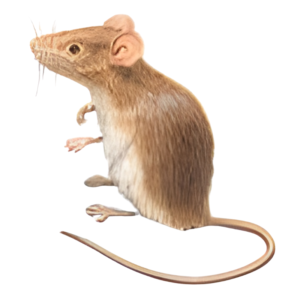
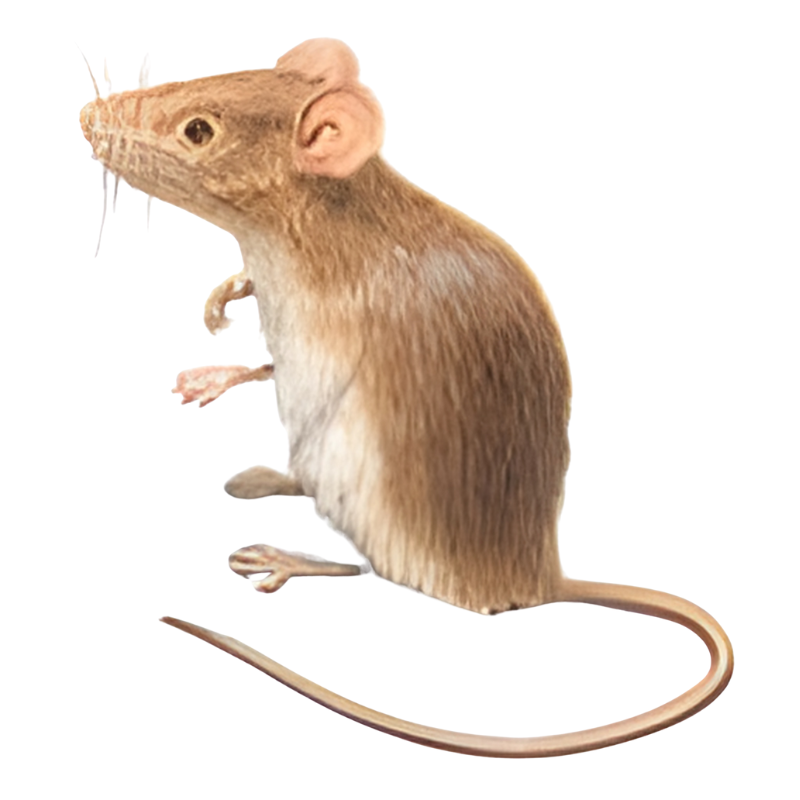
Rodents
Highly intelligent mammals. Mice can fit through a hole the size of a dime; Rats can fit through a hole the size of a quarter. They are constant gnawers.
20 days. A pair can produce dozens of offspring in months.
Fire hazards from chewed wires; spread Salmonellosis, Hantavirus, and Leptospirosis.
Mice: 1/4 inch pointed pellets. Rats: 1/2 to 3/4 inch blunt, capsule-shaped pellets.
Mice: 1/4 inch pointed pellets. Rats: 1/2 to 3/4 inch blunt, capsule-shaped pellets.

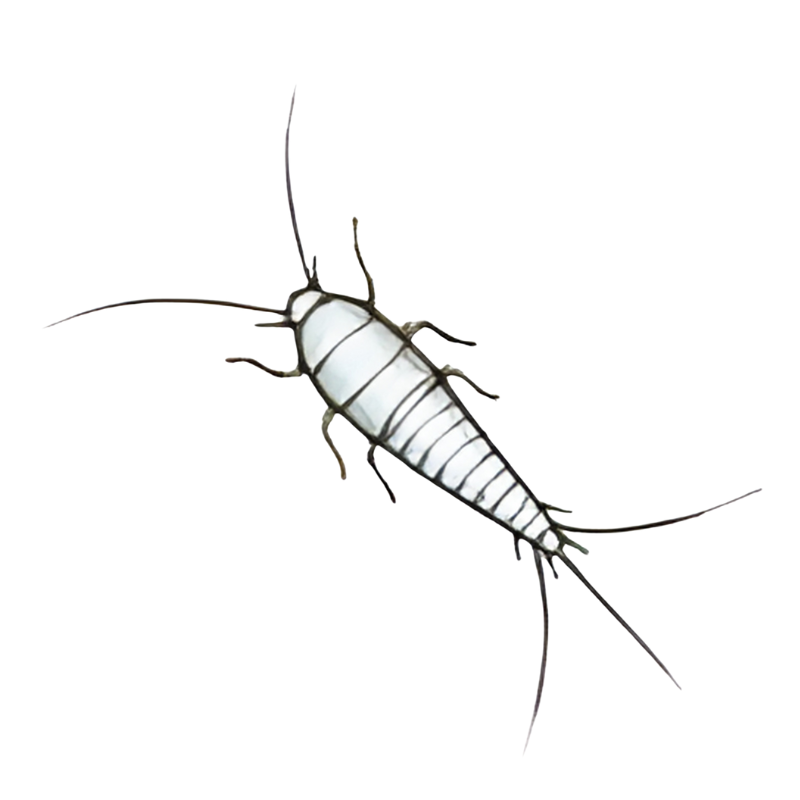
Silverfish
Tear-drop shaped, silver, wingless insects that move with a fish-like swimming motion. They are very fast and hide in dark, humid voids.
Hatch: 20–40 days. They can live up to 8 years. Eat starches and sugars; they ruin book bindings, wallpaper glue, and silk clothing. Tiny black specks (like pepper) and yellow-toned scales or stains on paper.
Hatch: 20–40 days. They can live up to 8 years. Eat starches and sugars; they ruin book bindings, wallpaper glue, and silk clothing. Tiny black specks (like pepper) and yellow-toned scales or stains on paper.
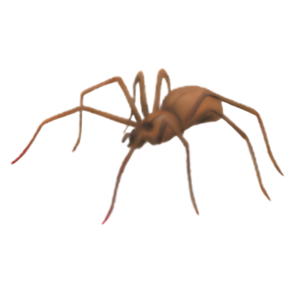
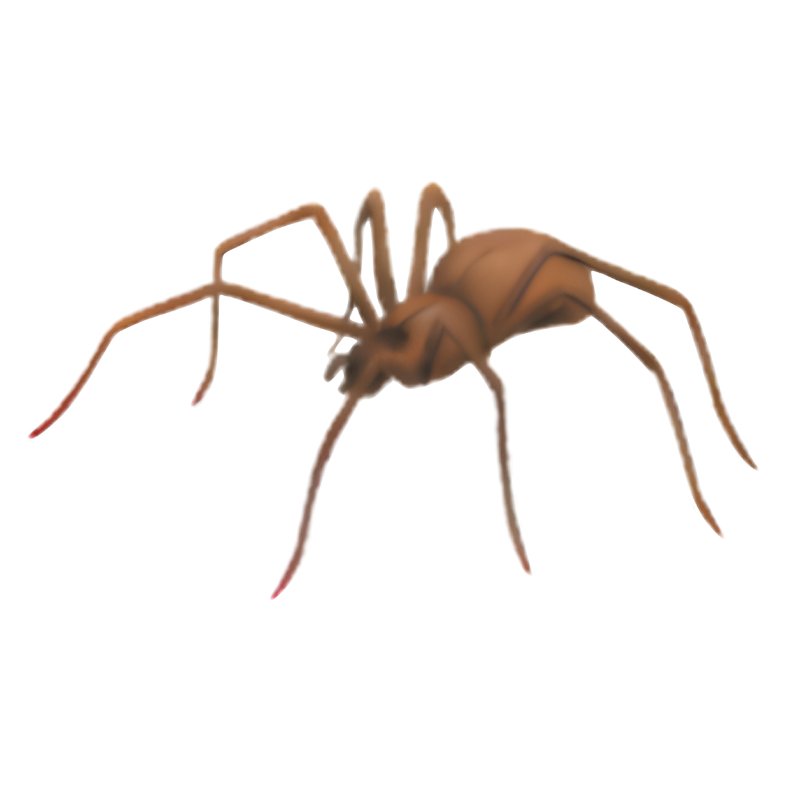
Spiders (General)
Includes web-builders like Orb Weavers or House Spiders. Most stay near their webs to wait for flying insects.
Hatch: 2–8 weeks depending on species. Beneficial for pest control, but webs create a messy appearance. Some species are venomous. Small white or black "droplets" found directly beneath the web.
Hatch: 2–8 weeks depending on species. Beneficial for pest control, but webs create a messy appearance. Some species are venomous. Small white or black "droplets" found directly beneath the web.
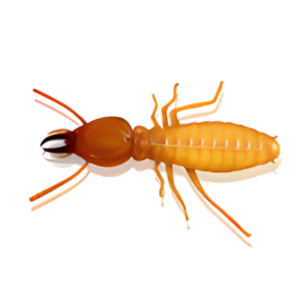
Termites
Social insects that live in large underground colonies. They use mud tubes to travel from the soil to the wood in your home to avoid drying out.
Hatch: 2–4 weeks. "Swarmers" (winged) emerge in Spring to start new colonies. Subterranean termites can collapse a home's structure over time, costing billions in repairs. Frass: Tiny, hard, hexagonal pellets that look like piles of sand or sawdust.
Hatch: 2–4 weeks. "Swarmers" (winged) emerge in Spring to start new colonies. Subterranean termites can collapse a home's structure over time, costing billions in repairs. Frass: Tiny, hard, hexagonal pellets that look like piles of sand or sawdust.

Ticks
Eight-legged arachnids that "quest" by sitting on grass and waiting for a host to brush by. They bury their heads under the skin to feed for several days.
Hatch: 2 weeks to 2 months. Most active in Spring and late Autumn. Major health threat: Lyme Disease, Rocky Mountain Spotted Fever, and Babesiosis. No visible droppings; signs include the physical presence of a tick on skin or pets.
Hatch: 2 weeks to 2 months. Most active in Spring and late Autumn. Major health threat: Lyme Disease, Rocky Mountain Spotted Fever, and Babesiosis. No visible droppings; signs include the physical presence of a tick on skin or pets.
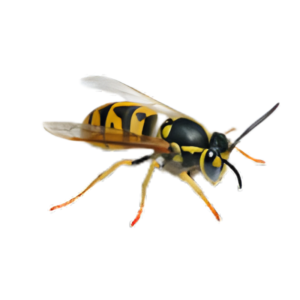
Yellow Jackets
Distinctively marked with bright yellow and black. They often nest underground in old rodent burrows or inside wall voids. They are attracted to meats and sugars at outdoor gatherings.
Hatch: 5–10 days. Populations are massive by August/September. Highly aggressive. They can sting repeatedly and will swarm if the nest entrance is stepped on. No visible droppings; identified by heavy "traffic" entering a hole in the ground or wall.
Hatch: 5–10 days. Populations are massive by August/September. Highly aggressive. They can sting repeatedly and will swarm if the nest entrance is stepped on. No visible droppings; identified by heavy "traffic" entering a hole in the ground or wall.

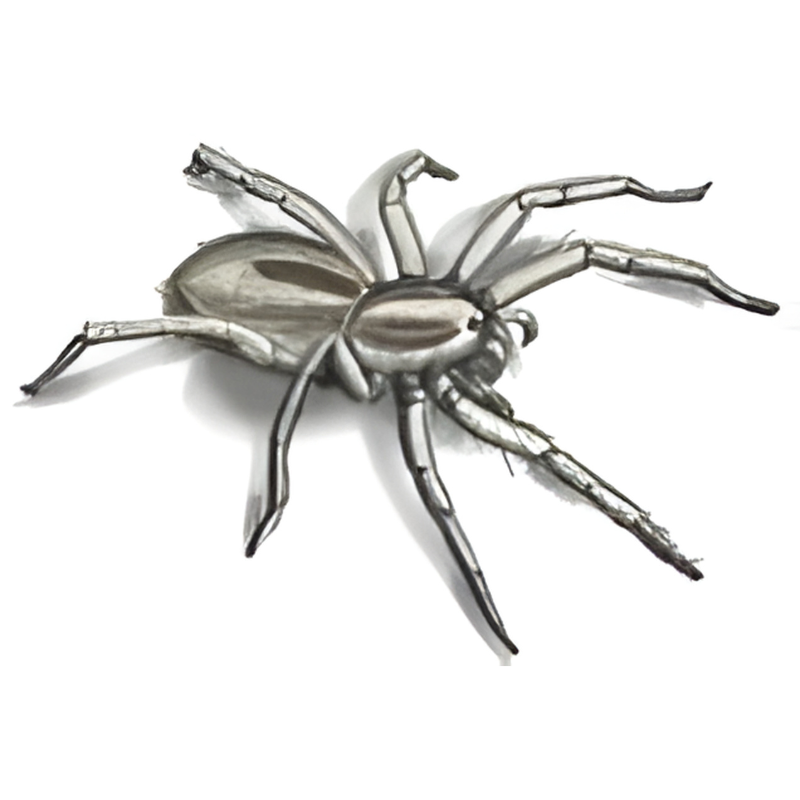
Wolf Spiders
Large, hairy spiders that do not spin webs. They are "sprinters" that hunt prey on foot. Females are often seen carrying a large silk egg sac.
Hatch: 2–4 weeks. Spiderlings ride on the mother's back for weeks after hatching. Their bite is not dangerous to humans but is painful (like a bee sting). Causes high fear. "Whitewash"—tiny white or dark liquid splashes on baseboards or floors.
Hatch: 2–4 weeks. Spiderlings ride on the mother's back for weeks after hatching. Their bite is not dangerous to humans but is painful (like a bee sting). Causes high fear. "Whitewash"—tiny white or dark liquid splashes on baseboards or floors.